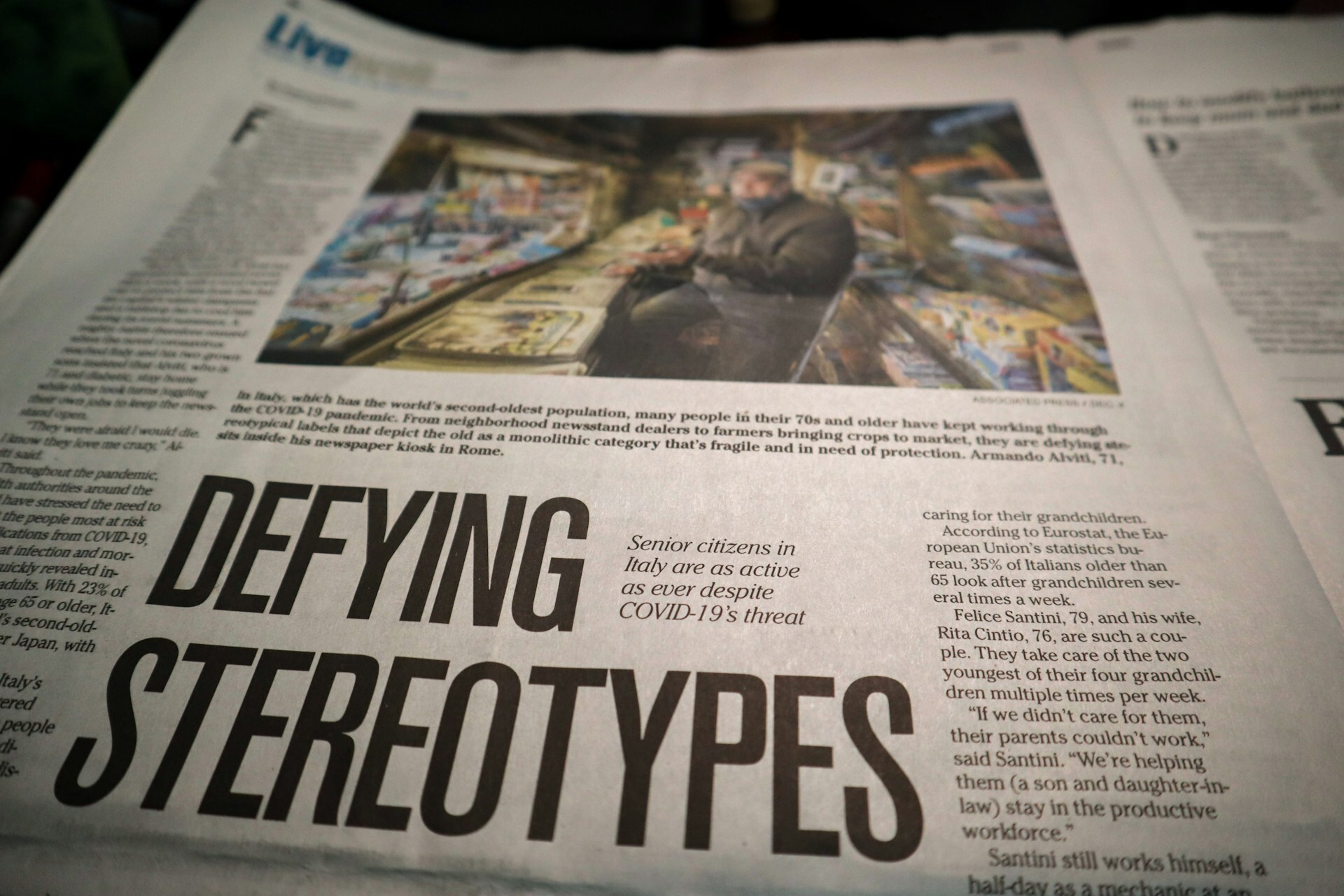
One of the biggest myths about older audiences is that they only consume traditional media (and I hate that phrase, too!). In reality, their behaviour is far more blended.
Ofcom and industry studies show that:
- TV remains a strong reach channel among over-50s, especially for trust and shared viewing.
- Radio and audio continue to deliver high weekly reach.
- Online usage among the 55–64 age group is now near-universal.
- Social media, video streaming and online shopping are common across many older segments.
Rather than abandoning traditional channels, many older consumers have added digital ones to their routines. A typical media day might include breakfast radio, online news, a social media scroll, streaming video in the evening and an e-commerce purchase at the weekend.
For media planners like us, this creates an opportunity: the over-50s can often be reached efficiently through a well-balanced mix of broadcast, digital and out-of-home channels.
When planners rely on outdated assumptions, two things usually happen:
Under-investment in high-value audiences
Brands may over-focus on younger demographics while ignoring older consumers with greater spending power and brand loyalty.
Poor creative relevance
Messages built around clichés or patronising tones fail to resonate, leading to lower engagement and weaker brand perception.
The Reimagining Ageing research highlighted that authenticity and relevance matter more than age-coded messaging. Older consumers respond better to ads that reflect real life, real people and real aspirations, not stereotypes.
What we think is a better approach
To reach over-50s audiences effectively, advertisers need to move beyond simple age brackets and adopt a more nuanced, insight-led approach.
Use behavioural and attitudinal data
Instead of targeting 50+, segment audiences by:
- Life stage (e.g. pre-retirement, empty nesters, retirees)
- Interests and passions
- Income or asset levels
- Media habits
Tools such as audience segmentation, first-party data analysis and brand tracking can reveal how different groups behave.
Plan integrated media journeys
Older audiences respond well to campaigns that combine:
- Trusted, high-reach channels (TV, radio, print, out-of-home)
- Digital touchpoints (search, video, social, display)
- Direct channels (email, direct mail, CRM)
The key is not choosing one or the other, but building a coherent journey across channels.
Involve older people in the creative process
Campaigns that feature real people and authentic stories tend to perform better. Brands that involve older consumers in research, testing or even creative development can avoid tone-deaf messaging and build more credible communications.
There's a really strong commercial case for getting it right, too.
Ignoring the over-50s is no longer a viable strategy. This audience:
- Represents a growing share of the population.
- Holds a disproportionate share of wealth and disposable income.
- Demonstrates strong brand loyalty.
- Responds well to relevant, respectful advertising.
For many categories, they are not just an important segment; they are the core customer base.
Brands that understand the diversity of this audience, invest in the right media mix and communicate authentically will be better positioned for long-term growth.